No products in the cart.
Skin Care
Protect Your Skin Barrier from Frequent Handwashing
By Caryn Gehlmann

I think we’ve all got the message, to protect ourselves and others from COVID-19 we need to wash our hands thoroughly and frequently. It’s literally a lifesaving measure. However, some people are doing damage to their skin barrier as a result of all that handwashing. And over time, this can damage your health! So how can you keep your hands clean while protecting that precious skin barrier and what kind of products can help?
First, what is your skin barrier and why is it important?
Your skin barrier is there to protect you. It’s the topmost layer of skin and it’s like a wall serving you in three important ways: 1) slowing down evaporation of water from your skin and thereby preventing dehydration, 2) protecting you from harmful contaminants such as harmful microorganisms, chemicals, or irritants, and 3) it sustains your skin’s immune system. You can see why your skin barrier is so important to your overall health and well-being!
How do you know if you’ve damaged your skin barrier?
If your skin is dehydrated or inflamed, this can be a sign that your skin barrier is suffering. You might also notice irritation, itchiness, flakiness, and increased sensitivity. Our hands are taking the brunt of this right now because of all the handwashing. Don’t ignore these signs because with your skin barrier weakened you’re more susceptible to harmful things like microorganisms, pollutants, and unhealthy bacteria. And if you’re older, your skin barrier is prone to thinning with age so you have to be even more proactive.
Here are 3 tips for how you can restore and protect skin barrier while keeping your hands clean!
#1: Choose the right soap to protect skin barrier.
According to the CDC and WHO, soap and water are some of the best tools we have in the fight against COVID-19. But what kind of soap? Some soaps strip moisture from your skin and can damage the skin barrier. And as we just discussed, that’s not a good way to protect your immune system.
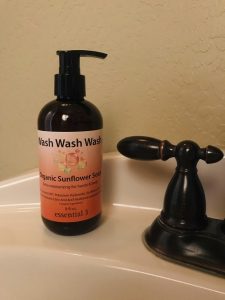
Instead, look for a soap that is gentle enough not to compromise your natural skin barrier, but still does the job of thoroughly cleaning. e3’s Wash Wash Wash — Natural Antibacterial Liquid Soap is a moisturizing, organic antibacterial liquid soap your skin will love! The ingredients are moisturizing to your skin but tough on germs: Coconut Oil, Potassium Hydroxide, Sunflower Oil, Castor Oil, Rosemary Extract, Citric Acid & e3 Resilience Blend of essential oils. This soap is viscous so it takes a bit of time to get it thoroughly rinsed — a great way to ensure you take at least the recommended 20 seconds to wash!
#2: Use hand sanitizers judiciously to protect skin barrier.
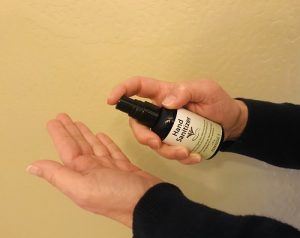
There are times when hand sanitizers are your only option, but when you’re home wash your hands with soap and water. According to CDC guidelines, you want to make sure to use hand sanitizer with 70% alcohol. But here’s the problem, alcohol can be very drying. e3’s Hand Sanitizer was developed to address that problem. The principal ingredient used is organic non-GMO ethyl alcohol, however we’ve combined it with aloe and glycerin to soothe and moisturize skin, as well as e3’s Resilience blend of essential oils with anti-viral properties for added effectiveness.
You also want to make sure you thoroughly apply the hand sanitizer so it covers the front and back of both of your hands. e3’s Hand Sanitizer comes in an easy-to-use compact spray bottle to help you get full coverage.
#3: Moisturize with natural ingredients to restore and protect skin barrier.
Moisturizing your hands is one of the best ways to restore or protect your skin barrier, especially since handwashing is a must right now. Doctors interviewed for an article in the Washington Post emphasized the moisturizing your hands after washing them doesn’t increase your chances of picking up or spreading germs. In fact, according to the article, “Moisturizing hands does reduce microbial shedding from the skin and is part of good hand hygiene, which will protect people from picking up viruses and reduce the likelihood of transmission.”
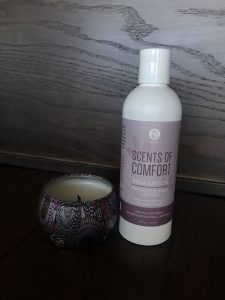
Your natural skin barrier is held together by lipids, so when choosing a moisturizer it’s a good idea to look for natural products that contain lipids to help fortify your barrier. Lipids are found in ingredients like fatty acids, ceramides, and squalene. At e3 we appreciate plant-based oils, for their healing properties. Our latest Scents of Comfort All-Natural Lotion uses gentle, skin-nourishing, antioxidant-rich, all-natural ingredients to soothe chapped skin. Put a bottle next to the sink to use after handwashing and your hands and your skin barrier will thank you!
Have you discovered other ways to protect your skin? We’d love to hear from you. Being part of e3’s community is a great way to stay informed on simple ways to maintain your resilience and well-being during these challenging times. Make sure you join us for discussions on our Facebook page or sign-up for e3’s newsletter for more aromatherapy and skincare tips.


Related posts

Emotional Balance, Physical Wellness, Product Information, Skin Care
How to Use Jasmine Essential Oil with Money-saving Tips
By Caryn Gehlmann, Clinical Aromatherapist Jasmine is known for its enchanting fragrance and an abundance of therapeutic benefits for stress, hormones, skincare, and more. Would you like to know how…

Q&A with Caryn, Product Information, Skin Care
Bergamot vs Bergamot FCF — What does FCF mean?
By Caryn Gehlmann, Clinical Aromatherapist Bergamot essential oil is a favorite for us here at essential 3. We use it in many of our custom blends, not only because of…

DIY, Skin Care
Soothing & Smoothing Essential Oils for Dry Feet
You want to wear that cute pair of sandals, but you’re embarrassed to show your dry, cracked feet! Not only that, they can be painful and, if left untreated, create…

Physical Wellness, Product Information, Skin Care
Safe, Natural Alternatives to Anti-bacterial Soaps
By Caryn Gehlmann, Clinical Aromatherapist We do it many times a day… wash our hands. We know it’s important and we might even remind ourselves to be thorough and wash…

Emotional Balance, Natural Home Care, Physical Wellness, Product Information, Skin Care
Woodsy Essential Oils: Maximizing Nature’s Benefits
By Caryn Gehlmann, Clinical Aromatherapist Woodsy essential oils are derived from various parts of trees, including leaves, bark, wood, and resin. These oils have been used for centuries for their…