
No products in the cart.
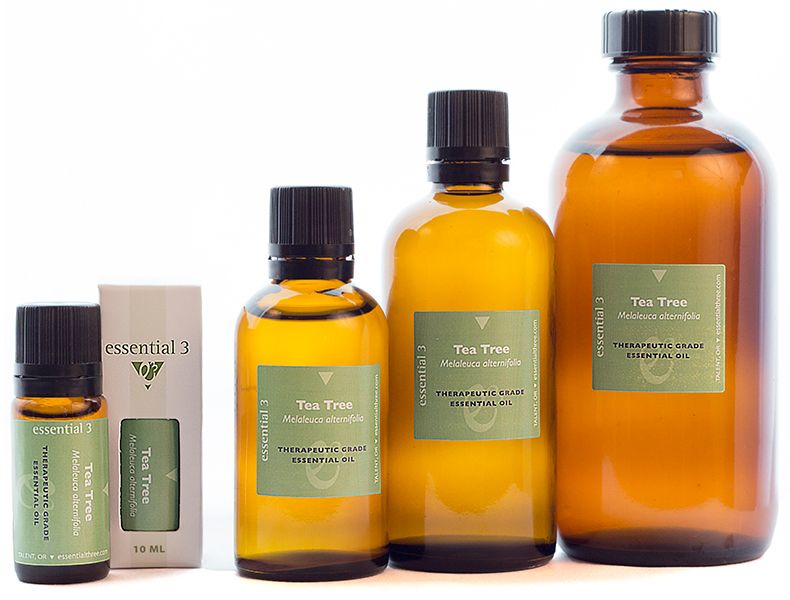
Description
Latin name: Melaleuca alternifolia
Country of origin: Australia
Part of the plant: Leaves and twigs
Obtained by: Steam distilled
Main biochemical components*: Terpinen-4-ol, gamma-terpinene, alpha-terpinene
Properties: Antiseptic, antispasmodic, digestive, sedative, calming.
Why Use
Physical uses: Infections (bacterial, viral, fungal), colds, flu, sinusitis, bronchitis, tonsillitis, poor circulation, sore throats, immune support.
Skin care uses: Minor skin infections (bacterial, viral, fungal), oily skin, blemishes, athlete’s foot, nail fungus, cold sores, insect bites and stings, small wounds, dandruff, ringworm, warts.
Psychological uses: Nervous exhaustion, mild depression, mental fatigue.
Subtle uses: Energizes. Promotes confidence.
Notes: Tea Tree is known for its gentle yet powerful, full-spectrum, anti-infectious properties and its support for the immune system.
*Chemical components: Chemical component percentages may vary. Essential 3 offers a Certificate of Analysis for review.
How You Can Use
After Shower: After showering, while your skin is still wet, put 1-3 drops of essential oil in the palm of one of your hands and rub your hands together. Quickly and evenly spread the essential oil over your legs, arms, and torso. Avoid sensitive skin areas. For maximum skin hydration and to seal in moisture, apply cream, lotion, or body oil directly to damp skin.
Bath: Mix 4-8 drops of essential oil in 1 teaspoon of carrier oil, such as fractionated coconut oil. (You can also add the essential oil to 1/2 cup of whole milk or heavy cream.) Set aside. If you have muscle aches, add 1-2 cups Epsom or Dead sea salts. Fill the tub with warm water and immerse yourself. Add the essential oil mixture and swirl the water around you. Massage your skin and breathe in the aroma. Remain in the tub for 10-15 minutes.
Bath, Foot: Mix 1-3 drops of essential oil in 1/2 teaspoon of carrier oil, such as fractionated coconut oil. Set aside. Fill a tub (deep enough to cover your feet and ankles) with warm water. Add the essential oil mixture, stir well, and immerse your feet for 10-15 minutes. Breathe in the aroma and massage your feet.
Chest Rub: Mix 5-15 drops of essential oil in 1 tablespoon of carrier oil or fragrance-free, natural lotion, apply to your upper chest and upper back.
Compress: Fill a basin with water. (Warm water relaxes and increases circulation. Cool water invigorates and relieves inflammation.) Add 3-5 drops of essential oil and briskly stir. Lay in a washcloth, wring and apply to the area in need for approximately 1-5 minutes. Dip, wring and apply 3 more times.
Compress, Facial: Fill the sink with warm water. Add 1-3 drops of essential oil to the water and agitate the water to mix well. Lay in a clean washcloth, wring, and apply to face, with eyes closed, holding in place for 5-10 seconds. Repeat dipping, wringing, and applying – 3 times. Pat dry.
Diffusion: Follow the diffuser manufacturer’s instructions to fill the air with a therapeutic aroma.
Easy alternatives when you don’t have a diffuser:
Place 2-4 drops of essential oil on several cotton balls or tissues; place nearby or tuck into the grate of fan or air vent in your home or car.
Inhalation: Put 1-3 drops of essential oil on a tissue and inhale the aroma through your nose. Pause and inhale again.
(Avoid touching your nose with the tissue.)
Inhalation, Hot Water: Add 1-2 drops of essential oil to a small bowl of hot water. Keeping your eyes tightly closed, lean over the bowl and breathe in deeply yet gently, pause then exhale. Continue for 30 seconds. Inhale through your nose for respiratory or sinus conditions and through your mouth for throat issues or coughs. Repeat as desired.
Massage: Mix 6-30 drops of essential oil in 1 ounce of carrier oil or fragrance-free, natural lotion.
Room Mist: Mix 30-60 drops of essential oil in 4 ounces of water in a mister bottle. Shake well before each use and avoid getting the mist into the eyes.
Scalp Oil: Mix 12-24 drops of essential oil in 2 ounces of fractionated coconut oil or jojoba, or a blend of both. Store in a glass bottle with a cap. Use approximately 1 teaspoon to massage into scalp at night. Shampoo in the morning.
Spot Application: Mix 1-4 drops of essential oil in 1 teaspoon of carrier oil or aloe vera and apply to the area in need.
The Methods of Use are general guidelines. Individual sensitivities, desired results, and the characteristics of the essential oil(s) used must all be considered. Adjust methods and proportions accordingly.
For external use only. Always dilute before use. Keep out of reach of children. Avoid eyes and other sensitive areas. Keep away from direct flame – essential oils are flammable. If pregnant or nursing, consult a physician before using essential oils. Store at room temperature and avoid direct sunlight.
Aromatherapy: The use of natural, aromatic substances, known as essential oils, to enhance the well-being of body, mind, and spirit. (This statement has not been evaluated by the FDA. No information provided is intended to diagnose, treat, cure or prevent any disease.)
Related Products
Have you ever used an essential oil to quickly soothe insect bites, headaches, stomachaches, minor burns, scrapes or cuts? If so, put together your very own Essential Oil First Aid...
$44.92 Select options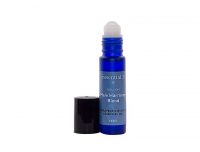
e3’s Male Harmony Roll-on — A fun and much healthier alternative to cologne Hey guys! You want to smell good… but maybe old-school cologne is not your vibe. Instead, you’re...
$14.50 Add to cart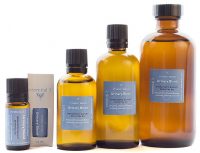
e3’s Urinary Blend — A gentle, preventive way to avoid UTIs The following essential oils are in Urinary Blend (alphabetical order). The therapeutic uses that are listed for each essential...
from $22.97 Select options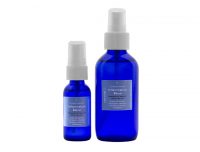
E3’s Inflammation synergy blend is designed to calm discomfort due to inflammation. This soothing blend combines anti-inflammatory and analgesic essential oils which also have anti-itch and anti-allergenic properties. It has...
from $14.99 Select options


